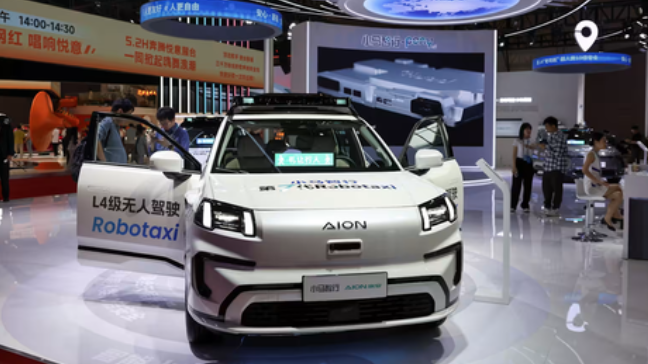
If Sri Lanka wants to start robotaxis in Colombo, the decision is mostly about safety + regulation readiness, mapping + road complexity, and economics (tourism, congestion, labor, costs).
There are advantages and disadvantages—practically, for a government program.
Advantages for starting in Colombo
High ride demand, short trip lengths
Colombo has dense trip demand (office commute, shopping, hospitals, restaurants). Robotaxis work best with many short trips and high utilization.
Tourism + airport corridor value
The BIA Colombo corridor and hotel zones (Port City/Cinnamon Life/Galle Face) can support premium fares, which improves unit economics.
Government can create a “geofenced pilot zone” easily can start small: Port City + Galle Face + Marine Drive + Kollupitiya type zones, with controlled rules and dedicated signage.
Easier to integrate with public transport
Colombo has clear use cases: first/last-mile to bus hubs, rail stations, and major terminals. Robotaxis can reduce congestion if managed properly.
Strong PR + investment signalling
A safe robotaxi pilot signals “digital Sri Lanka” and attracts tech/FDI, especially if linked to Port City incentives.
Data & enforcement can be centralized
Colombo has the best chance for: reliable telecom coverage, centralized traffic monitoring, and rapid incident response.
Predictable high-demand time windows
Morning/evening peaks allow stable operations planning and fleet sizing.
Local capability-building
Enables Sri Lankan universities/engineers to develop skills in mapping, fleet ops, safety auditing, remote assistance centers.
Disadvantages / risks for starting in Colombo
Road behavior is complex (mixed traffic)
Tuk-tuks, buses, bikes, pedestrians crossing anywhere, informal lane discipline—this is one of the hardest environments for autonomous driving.
Mapping + lane marking quality
Robotaxis depend on high-quality maps and consistent road markings/signage. In Colombo, markings can be inconsistent or obscured.
Frequent “edge cases”
Parked vehicles blocking lanes, sudden U-turns, road works without clear signage, floods—these generate interventions and slow rollout.
Monsoon weather & visibility
Heavy rain reduces sensor performance (especially cameras). Flooded roads create routing and safety issues.
Legal + liability framework may be immature
If there isn’t a clear law defining: who is “the driver,” insurance responsibility, crash investigation process, cybersecurity obligations—operators won’t scale.
Emergency services interaction
Robotaxis must handle ambulances, police blocks, VIP movements, protest road closures—Colombo has more of these than many cities.
Cost vs local wage economics
Robotaxis compete against relatively low-cost human drivers. That makes profitability harder unless the service is premium or heavily utilized.
Public trust risk
One high-profile incident can create backlash and stall adoption—especially if it happens in a crowded area.
Cybersecurity and misuse risk
Fleet systems are attractive targets. Government must enforce strict security and data governance.
Jobs and political resistance
Taxi/tuk-tuk associations may push back. You need a transition plan (new jobs: fleet support, remote ops, maintenance).
The “best compromise” approach for Colombo with Safety as a priority:
Start with Level 4, geofenced, low-complexity zones:
Port City loop + limited Galle Face / Marine Drive corridor
Later: BIA–Katunayake business park type controlled routes (if infrastructure is improved)
Use safety driver / supervised phase first, then remove the safety driver only after strict KPIs are met.
Put regulation first:
insurance, liability, incident reporting, and minimum safety standards.