
In today’s hyperconnected world, social media has evolved far beyond a platform for casual
interaction. It now functions as a primary conduit for news, knowledge, and cultural exchange, with a reach that is global, instantaneous, and largely unmoderated. While these platforms possess immense potential to educate, inspire, and connect communities, they also facilitate the rapid dissemination of content that can cause serious harm to individuals, institutions, and society at large.
The indiscriminate forwarding, sharing, and uploading of digital material frequently of a sensitive, confidential, or private nature has resulted in severe reputational damage, psychological trauma, and, in extreme cases, credible threats to personal safety and human life. The unauthorized circulation of private recordings, images, and selectively edited material originating from organisational settings, social and private functions, religious spaces and observances, political and public addresses, and educational institutions has increasingly violated fundamental rights to privacy, consent, dignity, and due process. Such actions expose individuals and institutions to misrepresentation, character assassination, and digital vigilantism, often far exceeding any legitimate public interest.
These developments reveal a systemic failure of ethical responsibility, moral restraint, and legal accountability within the digital public sphere. Across religious, cultural, and philosophical traditions, values such as dignity, truthfulness, restraint, and respect for personal boundaries are universally upheld. Yet these principles are routinely disregarded in online conduct. Social media does not exist in isolation from lived reality; it is an extension of the physical world, where digital actions produce immediate, tangible, and frequently irreversible consequences in personal, professional, communal, and spiritual life.
Despite this reality, accountability remains dangerously fragmented. Responsibility is dispersed across individual users, institutional governance structures, digital platform operators, internet service providers, and regulatory authorities, with no single actor fully answerable for harm caused. Legal frameworks governing privacy rights, consent, defamation, child protection, and misuse of digital communications are often inadequately enforced, inconsistently applied, or technologically outdated. This regulatory inertia has fostered a culture of impunity in which ethical lapses are normalized, violations of trust are trivialized, and the duty of care owed to individuals and communities is routinely ignored.
The digital crisis is further intensified by the unprecedented speed at which content circulates. Information is frequently shared without verification or consideration of consequences, allowing rumors, manipulated media, and private material to go viral within hours. Institutional preparedness remains weak. Schools, universities, workplaces, and other organisations often lack robust digital conduct policies or crisis-response mechanisms, leaving victims of digital breaches exposed and marginalized. Meanwhile, social media platforms and internet service providers, though positioned as gatekeepers, continue to rely on moderation systems that are largely reactive, inconsistent, and insufficient to prevent harm before it occurs.
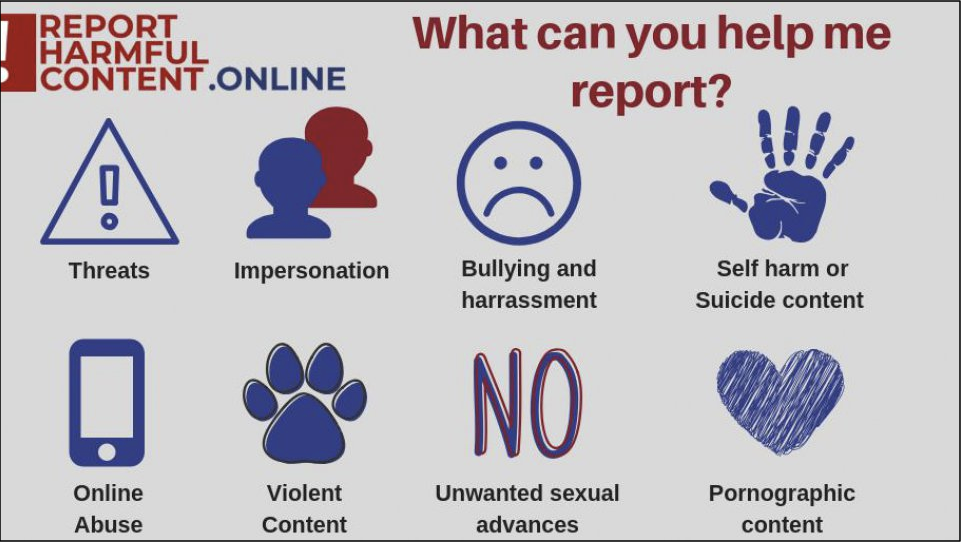
Addressing this crisis requires a renewed and integrated focus on responsibility and accountability at every level of the digital ecosystem. Individual users must exercise critical judgment and ethical restraint before posting or sharing content. Institutions including schools, universities, religious bodies, corporations, and civil organisations must establish and enforce clear digital codes of conduct that protect privacy, dignity, and due process. Technology providers, including social media platforms and ISPs, have an obligation to proactively monitor, detect, and remove harmful content, while cooperating transparently with regulatory authorities. Legal systems, in turn, must impose clear, proportionate, and enforceable penalties for the circulation of misleading, harmful, or private material, ensuring accountability for both individuals and organisations.
A comprehensive response also demands coordinated, multi-level control measures. Governments and law enforcement agencies must establish dedicated digital safety authorities with the mandate to monitor compliance, audit platform practices, and enforce regulations. Effective legal penalties including fines and criminal liability must be applied to deter the creation and dissemination of harmful content. Rapid-response mechanisms are essential to enable victims to report violations and secure the swift removal of damaging material. Public awareness campaigns should reinforce digital literacy, ethical online behavior, and an understanding of the real-world consequences of irresponsible sharing.
Internet service providers and social media platforms must strengthen safeguards by limiting anonymous misuse through verified identities for public-facing accounts, deploying advanced content-detection technologies, and publishing transparent data on content moderation and enforcement outcomes. Educational and corporate institutions must integrate digital ethics into curricula and professional training, establish internal reporting systems, and provide psychological and legal support for victims of digital harm. Media organisations must also exercise restraint, verifying content rigorously before reproduction and promoting responsible digital conduct through editorial standards and public-interest programming.
Visual communication can further reinforce these messages. Infographics illustrating how harmful content spreads, accountability matrices clarifying stakeholder responsibilities, and comparative charts highlighting regulatory gaps can enhance public understanding. Symbolic imagery—such as secure digital locks and ethical decision-making icons—can emphasize responsibility without reproducing sensitive material.
The era of unchecked sharing must end.
Digital responsibility is no longer optional it is a moral, social, and legal imperative!.
Social media remains a powerful tool, but power inevitably carries responsibility. Reckless sharing particularly of private or sensitive content undermines privacy, safety, institutional integrity, and social cohesion. Addressing this challenge demands a holistic approach that combines ethical awareness, institutional responsibility, technological oversight, and effective legal enforcement. Governments, platforms, institutions, media organisations, and citizens must act collectively to ensure that digital spaces are safe, responsible, and accountable.
By Afflli Raheem:
The Writer is a seasoned operations director, consultant, and writer, equipped with a diverse range of experience across fields such as business management, education, consultancy, and journalism. Send your queries to : afflli.raheem@gmail.com