A group of 120 leading economists, including Nobel laureate Joseph Stiglitz, have urged the suspension of Sri Lanka’s debt payments in the wake of the widespread devastation caused by Cyclone Ditwah.
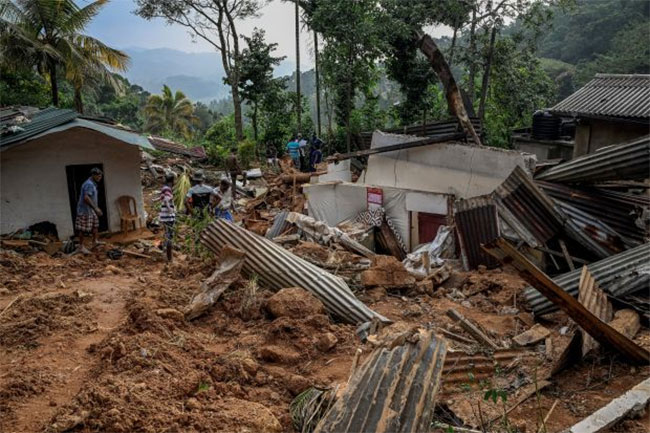
The cyclone resulted in more than 600 fatalities and destroyed hundreds of thousands of homes across the island. President Anura Kumara Dissanayake described it as the “largest and most challenging natural disaster in our history.”
Sri Lanka restructured its $9 billion national debt last year following a government default in 2022, after lengthy negotiations with creditors. Despite this, development campaigners warned that the country’s debt burden remained unsustainable. Prior to the cyclone, annual debt repayments were projected to consume 25% of government revenues—a figure high by both international and historical standards.
In a joint statement, the group of 120 global experts called for a new round of debt restructuring to bring Sri Lanka’s repayments to a manageable level, given the extent of environmental destruction. Signatories to the statement include Jayati Ghosh, development economist at the University of Massachusetts Amherst; inequality expert Thomas Piketty; former Argentinian economy minister Martín Guzmán; and Kate Raworth, author of Doughnut Economics.
“Sri Lanka is now confronting a severe economic shock triggered by the recent cyclone, extensive flooding, and landslides, which has inflicted extensive damage to infrastructure, livelihoods, and key sectors of the economy,” the statement read. “This environmental emergency is poised to absorb—and potentially exceed—the extremely limited fiscal space created by the current debt restructuring package. Additional external debt is already being taken on from the International Monetary Fund (IMF), and more lending to deal with the impacts of the disaster is likely.”
The experts called for the “immediate suspension of Sri Lanka’s external sovereign debt payments, and a new restructuring that restores debt sustainability under the new circumstances.”
Research by the campaign group Debt Justice found that, even after the 2024 debt restructuring—which saw some investors accept reductions in repayments—private creditors were still set to make 40% more profit lending to Sri Lanka than to the US government.
Following the cyclone, the Sri Lankan government requested a $200 million emergency loan from the IMF to address the immediate crisis. However, disbursements under this “rapid financing instrument” are typically expected to be repaid within three to five years.
Scientists from World Weather Attribution, a coalition of climate experts, concluded that global warming likely intensified the severity of Sri Lanka’s flooding, as well as similar events in Indonesia and Malaysia in recent weeks.
A spokesperson for the UK government acknowledged the devastating impact of Cyclone Ditwah on Sri Lanka, stating, “This is why we are committed to supporting Sri Lanka’s recovery through humanitarian assistance and international coordination. We have already provided £1 million of humanitarian support via the Red Cross, UN partners, and civil society organisations to deliver emergency supplies and life-saving care.”