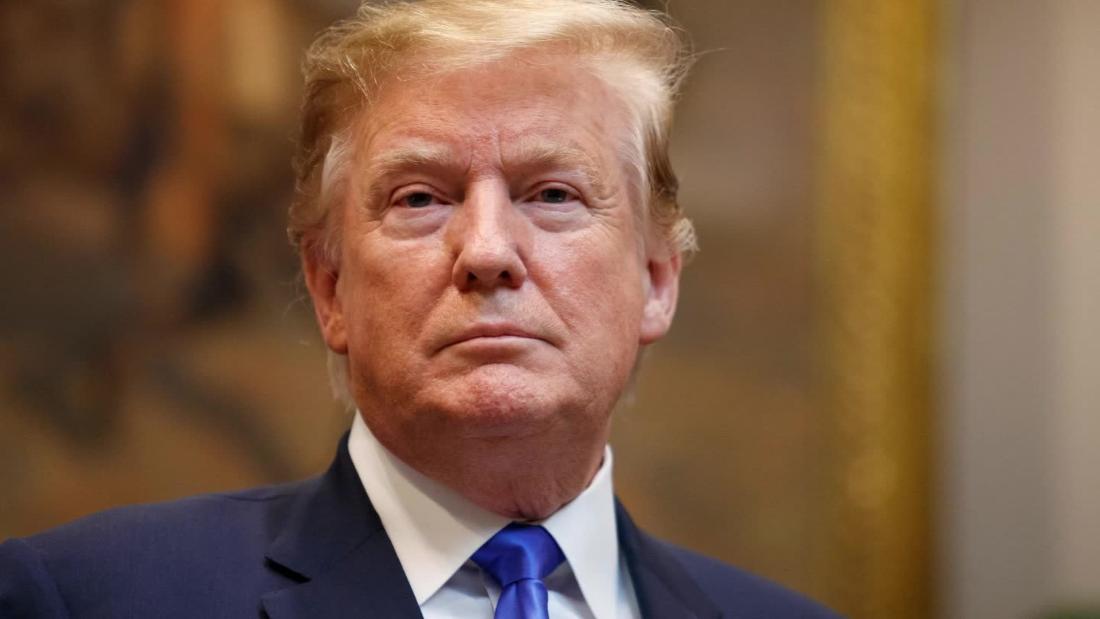
On Monday, U.S. President Donald Trump announced the imposition of a 25% tariff on goods from countries maintaining commercial ties with Iran. This measure aims to increase pressure on Tehran as anti-government protests continue into their third week.
Trump announced on social media that the tariff would be “effective immediately,” though he did not specify what actions qualify as “doing business” with Iran. The countries most involved in trade with Iran include China, Iraq, the United Arab Emirates, Turkey, and India.
This tariff follows Trump’s earlier warning of potential military intervention if Tehran escalated violence against protesters. White House spokeswoman Karoline Leavitt confirmed on Monday that military options, including air strikes, remain “on the table.”
“Any country doing business with the Islamic Republic of Iran will pay a tariff of 25% on all transactions with the United States of America,” Trump stated on Truth Social on Monday, emphasizing that this order is “final and conclusive.”
The White House has not disclosed further details about the tariffs, including which countries’ imports might be most affected. Protests in Iran were initially sparked by the devaluation of the Iranian currency, the rial, in late December and have since evolved into a significant challenge to the legitimacy of Iran’s Supreme Leader, Ayatollah Ali Khamenei.
The U.S.-based Human Rights Activist News Agency (HRANA) reports verifying the deaths of nearly 500 protesters and 48 security personnel in Iran. However, sources suggest the death toll could be much higher. Thousands have reportedly been arrested. An internet blackout since Thursday evening has complicated efforts to gather and verify information, with the BBC and other international news organizations unable to report from within Iran.
Trump has hinted at possible intervention, noting on Sunday that Iranian officials had reached out to negotiate but added, “we may have to act before a meeting.”
International sanctions related to Iran’s nuclear program have severely impacted the country’s economy, further weakened by government mismanagement and corruption. On December 28, shopkeepers in Tehran protested a significant decline in the rial’s value against the U.S. dollar in the open market.
Over the past year, Iran’s currency has reached record lows, and inflation has exceeded 40%, leading to sharp price increases for essentials like cooking oil and meat.