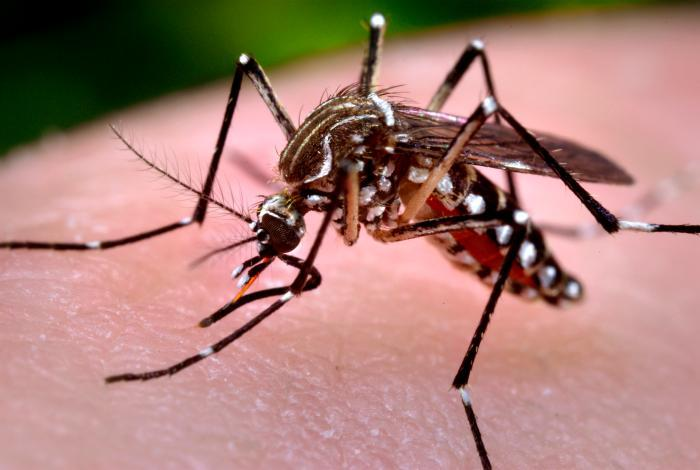
The US Centre for Disease Control and Prevention has issued a Level 2 travel notice for Sri Lanka, advising travellers to “practice enhanced precautions.”
Issued earlier this month, the notice cites chikungunya, a mosquito-borne viral disease. Outbreaks have been reported in parts of Africa, the Americas, Asia, Europe, the Caribbean and the Indian and Pacific regions.
Most people infected with the chikungunya virus develop symptoms, which typically begin three to seven days after being bitten by an infected mosquito. The most common symptoms are fever and joint pain. Other symptoms may include headache, muscle pain, joint swelling, and rash. While most people recover within a week, some experience severe joint pain that can persist for months or even years.



Thank you for sharing this important update about the travel advisory for Sri Lanka. It’s crucial for travelers to be aware of the chikungunya risk.
I read the article you linked to with great interest, and it mentions that there are now two FDA-approved vaccines available for prevention. This seems like a significant development for travelers. However, I was hoping to understand more about the real-world effectiveness and accessibility of these vaccines for someone planning a trip. For instance, are they widely available at travel clinics, and how does one decide between the two options?
Sorry for dropping a link here, but I found a very detailed, medically-reviewed guide that breaks down the vaccines, prevention strategies, and the latest 2025 outbreak data, which helped me understand the context better. It might be useful for your readers too: https://pillintrip.com/article/chikungunya-in-2025-your-complete-travel-health-guide
Based on that resource, my question is: For a traveler who gets vaccinated, what is the expected duration of protection from the currently available vaccines, and are there any specific recommendations for booster shots? The article mentions that the duration is still being studied, but I’m curious if any new data has emerged since its publication that could help travelers make a more informed decision.
Thanks for covering this topic!