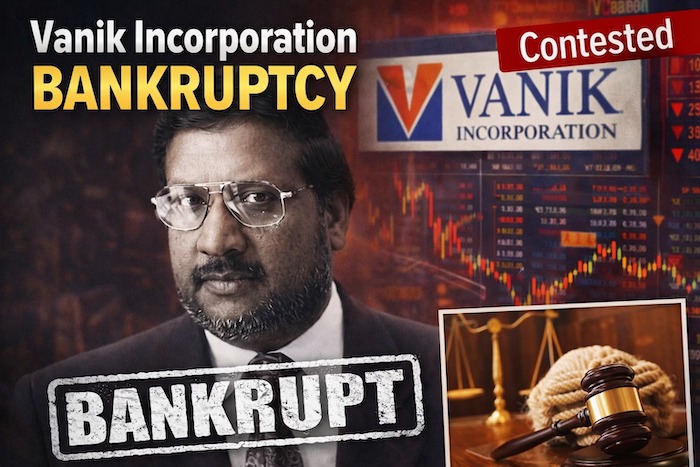
Once celebrated as a rising star on the Colombo Stock Exchange, Vanik Incorporation Ltd captured the optimism of Sri Lanka’s rapidly expanding financial sector in the 1990s. Its oversubscribed initial public offering, aggressive balance-sheet expansion, and a string of ambitious acquisitions elevated Vanik into the ranks of prominent merchant-banking institutions. For a time, it was seen as a symbol of financial innovation, confidence, and opportunity, attracting strong investor interest and public trust.
That ascent, however, masked deep structural weaknesses. As the company expanded, credit quality deteriorated and liquidity pressures intensified. Vanik became increasingly exposed to high-risk lending, complex financial arrangements, and governance practices that struggled to keep pace with its growth. When economic conditions tightened, these vulnerabilities quickly surfaced. Loan recoveries faltered, disputes with counterparties escalated, and confidence among depositors and creditors began to erode.
By the late 2000s, Vanik’s story was no longer one of growth but of survival. Winding-up petitions, creditor lawsuits, and prolonged court battles came to dominate its existence. Trading in its shares was suspended, effectively erasing shareholder value, while multiple restructuring and rescue attempts failed to deliver a sustainable resolution. The bankruptcy itself became deeply contested, dragging on through years of litigation and leaving creditors trapped in legal limbo with little clarity on recoveries.
During this turbulent period, individuals associated with the company’s later management, including Justin Meegoda, became focal points of public and legal scrutiny. Allegations, counter-allegations, and disputes over control, asset transactions, and accountability further complicated an already protracted collapse, reinforcing perceptions of weak oversight and unresolved governance failures.
The Vanik saga is therefore more than the downfall of a single listed entity. It stands as a stark warning to investors, regulators, and policymakers about the dangers of unchecked expansion, inadequate risk management, and delayed regulatory intervention. Decades on, as court cases and enforcement actions continue to echo through Sri Lanka’s legal and financial system, Vanik Incorporation remains one of the country’s most sobering corporate failures.
The lessons endure. Growth without discipline is fragile. Accountability cannot be optional. And corporate history — however uncomfortable — should never be forgotten.