Air superiority may still exist – but it is no longer risk-free
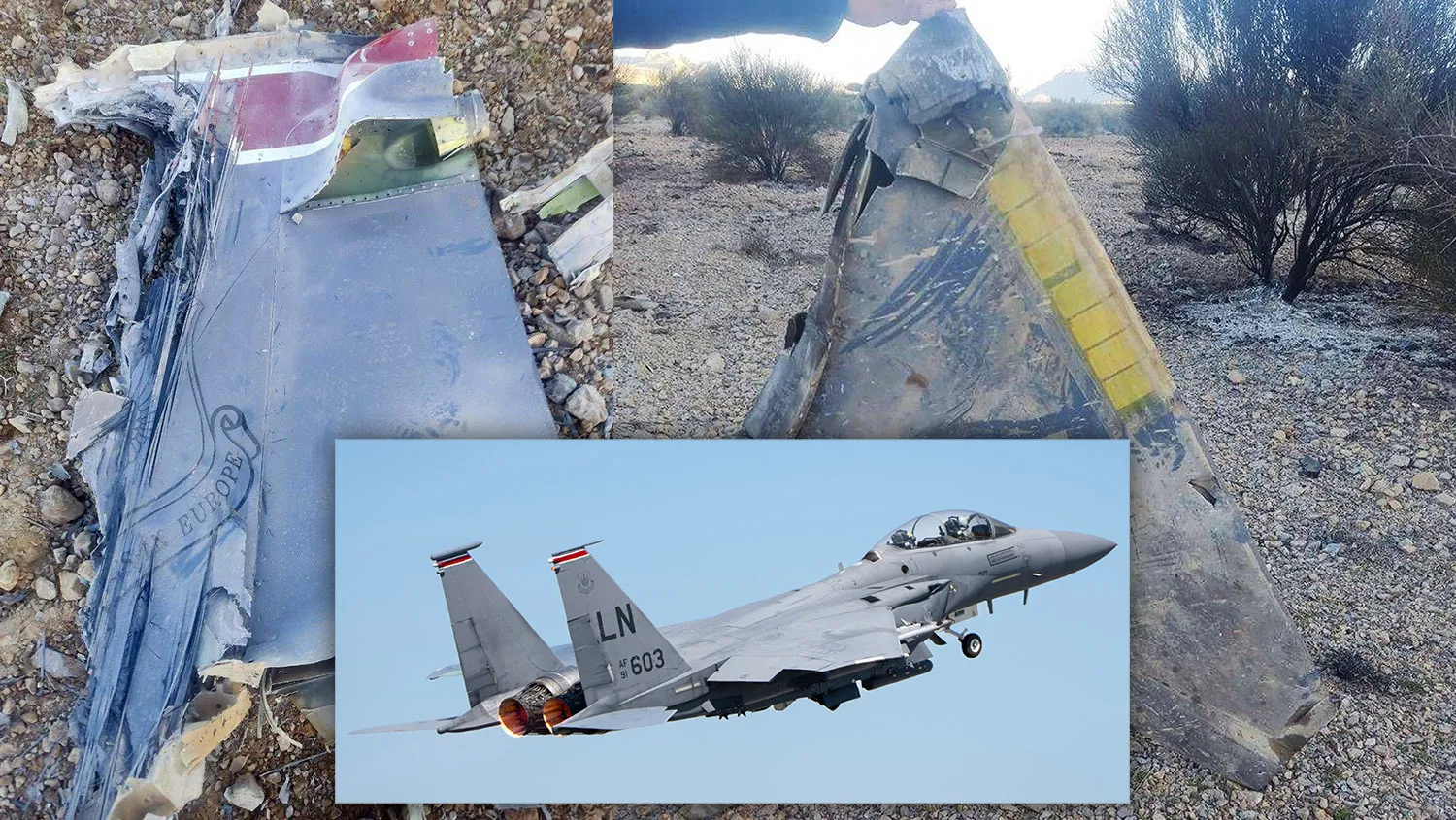
Be that as it may, the military significance of the downing of two American aircraft lies not in the scale of the losses, but in what those losses reveal. The latest reporting now points to a more complete picture than was available when the first claims emerged. Reuters and AP report that an American F-15E Strike Eagle was brought down over Iran, that one crew member was rescued earlier, and that the second – initially missing – has now also been rescued in a high-risk special operations mission. AP has also reported that a second U.S. aircraft, an A-10 attack jet, was shot down, making these the first U.S. jets downed by enemy fire in more than 20 years
That matters because it changes the operational story of the war. Until now, the United States had been presenting the air campaign in terms of overwhelming control, technological superiority, and the steady degradation of Iranian military capability. Those claims may still be broadly true in relative terms, but the loss of two aircraft means Iran retains enough air-defence capacity to impose real cost. In military language, that means the United States may possess air superiority, but not immunity. An opponent does not need to dominate the airspace to shape it. It only needs to make every mission more dangerous, more expensive, and more politically sensitive.
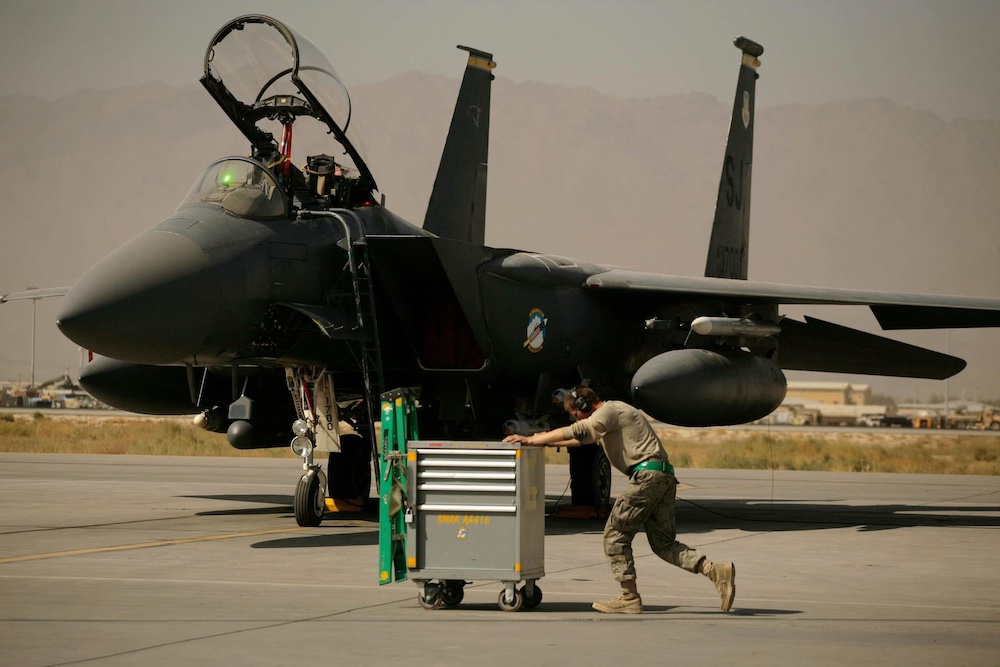
The first implication is tactical. Aircraft such as the F- 15E and the A-10 operate very differently. The F-15E is a fast, heavily armed strike platform used for deep attack missions, while the A-10 is built for low-altitude close air support and battlefield attack. If both types have been successfully hit, that suggests Iranian defensive capability is not confined to one narrow engagement profile. It implies either a layered defence system, or at the very least a battlefield where different forms of risk – radar- guided engagement, mobile missile threats, and short- range air defence – remain active despite weeks of bombardment. AP’s reporting notes that defence officials and analysts suspect shoulder-fired missiles may have been involved in at least some of the danger to U.S. aircraft, underlining how even degraded air defence can still be lethal when aircraft operate low or in rescue conditions.
The second implication is operational. The rescue mission itself is part of the story. Reuters reports that the operation to recover the missing F-15E crewman was one of the most daring U.S. rescue efforts of the war, involving special forces and multiple aircraft under intense pressure. Iran, meanwhile, claimed during the rescue operation that it had destroyed additional American aircraft, including a C-130 and helicopters, though Reuters reported U.S. officials said two Black Hawk helicopters were fired upon but escaped Iranian airspace. That contrast is important. Even if some Iranian claims are exaggerated, the fact that the rescue mission encountered heavy resistance shows that recovering downed aircrew inside Iranian territory is now a major military event in itself. A war changes when rescue becomes a battle.
The third implication is strategic. Aircraft losses do not, by themselves, reverse the balance of power. The United States still flies more sorties, holds greater reach, and retains vastly superior logistics, surveillance, and strike capability. But losses like these can alter mission planning. Pilots may be forced higher, reducing effectiveness against certain targets. Rescue cover may need to be pre-positioned. Electronic warfare, suppression of enemy air defences, and escort demands all increase. In short, the campaign becomes heavier and more complicated. Air dominance, once claimed, must now be maintained under proof.
There is also the political-military dimension. AP reported that the two shootdowns came amid a war in which American casualties have already become more visible, and Reuters noted that U.S. public sentiment is highly sensitive to signs that the conflict is carrying costs without a clean endpoint. In practical terms, that means every aircraft lost is not only a tactical matter, but a strategic communications problem. Images of downed aircraft, missing crew, and rescue missions personalize a war that leaders often try to describe in abstract terms. Once that happens, operational setbacks begin to have domestic consequence.
The final military point is the most important. Iran has not disproved American air power. But it has demonstrated that even a heavily pressured state can still contest the battlespace. That does not mean the skies belong to Tehran. It means Washington is fighting in a war zone, not a laboratory. And in real wars, superiority is measured not by rhetoric, but by what survives contact.
THE STING
The lesson is simple: the United States may still own the advantage in the air. But Iran has shown it can still make that advantage bleed.