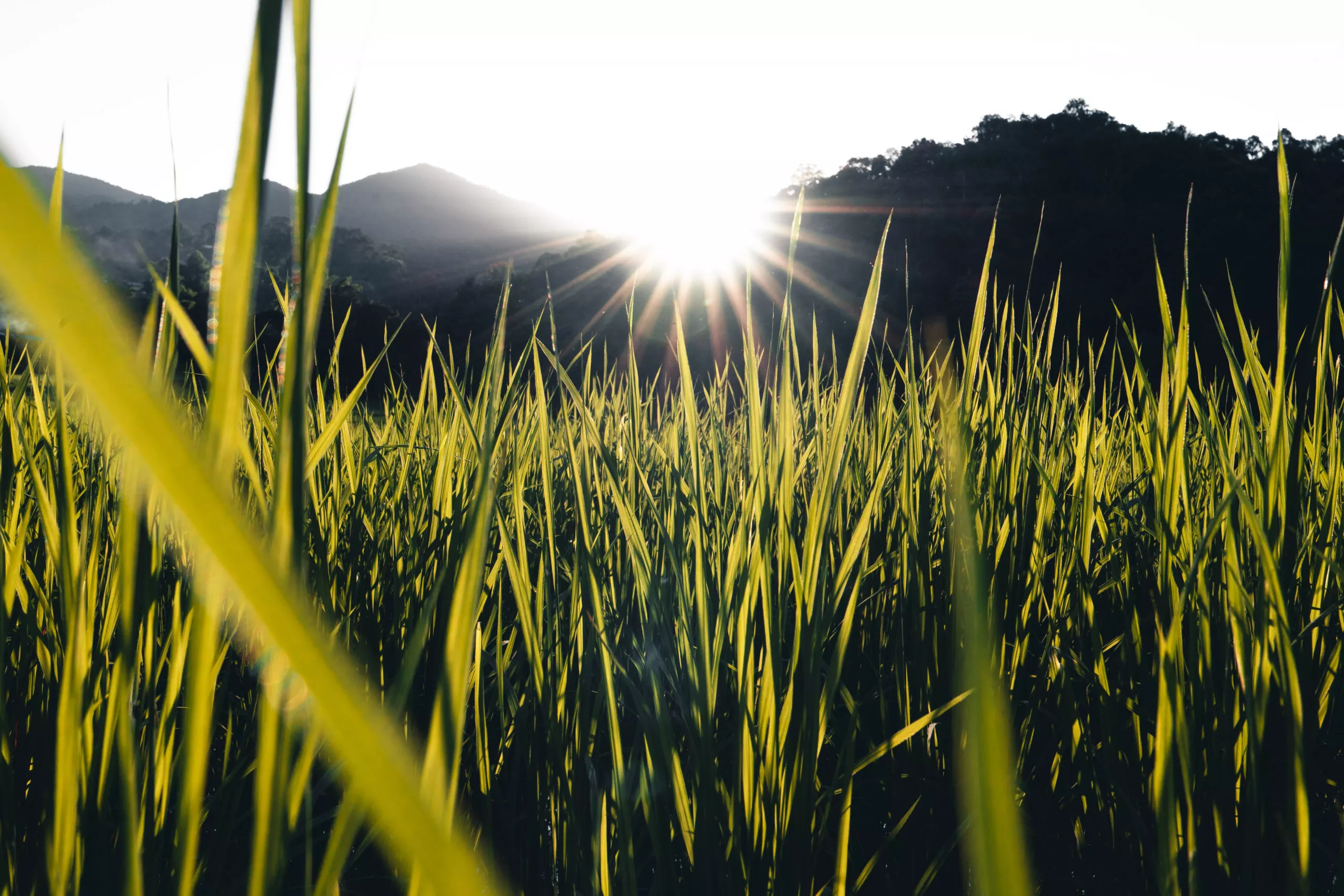
A weak Yala harvest could collide with rising fuel costs to test Sri Lanka’s fragile recovery
By NewsLine Desk
Be that as it may, Sri Lanka now finds itself in a position where two pressures – one from the fields and one from global energy markets – are beginning to converge. The Yala cultivation season, running from May to August, has always been important. This year, it carries far greater weight. Because if the harvest underperforms, the country may not simply face a food shortfall. It may find itself confronting a broader economic strain at a time when its recovery remains incomplete.
The risk begins with supply. A weak Yala harvest would mean reduced domestic food availability, tighter stocks, and a greater reliance on imports to bridge the gap. In ordinary times, this would be manageable. But these are not ordinary times. Sri Lanka’s external position is still rebuilding, foreign exchange remains under pressure, and the fiscal space available to absorb shocks is limited. A surge in food imports, in that context, would not be neutral. It would place immediate strain on reserves and expose the country once again to global price volatility.
At the same time, a second pressure is building – this one from energy. The war in the Middle East is already pushing global fuel prices upward, and Sri Lanka, which imports the majority of its fuel, is directly exposed to that shift. Analysts and policy economists have warned that current domestic fuel prices may not fully reflect global realities. In recent commentary and public discussion, Advocata Institute’s Chief Executive Officer Dhananath Fernando has argued that Sri Lanka may be forced to move towards significantly higher cost-reflective pricing, with diesel in particular expected to rise sharply if global conditions persist.
The implication of that warning is straightforward. If fuel prices adjust upwards – whether immediately or in the period following the Sinhala and Tamil New Year – the impact will not remain confined to transport. It will flow directly into food production costs, distribution, and retail pricing. Agriculture, already under pressure from weather uncertainty, becomes more expensive to sustain. Food, already at risk from supply constraints, becomes more expensive to purchase.
This is where the two pressures begin to reinforce each other.
A weak harvest tightens supply. Higher fuel prices raise costs. Together, they create upward pressure on food prices that the public will feel quickly and directly. In such circumstances, the pressure on government to intervene becomes unavoidable. Food is not a discretionary commodity. It sits at the centre of household expenditure, and governments respond when that stability is threatened.
But intervention carries consequences. With limited fiscal room, the state may be forced to expand support mechanisms – whether through subsidies, price controls, or direct assistance. If these are not matched by revenue or external financing, the risk of monetary expansion emerges. In practical terms, that means liquidity being introduced into the system to sustain affordability.
Sri Lanka has seen this before.
The past two years have been defined by an effort to bring inflation under control through tight policy and disciplined adjustment. Reintroducing liquidity at scale risks reversing that progress. Inflation does not return dramatically. It returns gradually – beginning with essentials, and then spreading across the broader economy.
None of this is inevitable. The Yala harvest may still hold. Weather patterns may stabilise, inputs may be available, and yields may meet expectations. Fuel prices may adjust in a measured way. But the margin for error is narrowing, and the interaction between food and energy is becoming more pronounced.
What was once an agricultural outcome is now a macroeconomic variable.
THE STING
If the fields weaken and fuel rises, the pressure will not come in waves. It will come all at once.