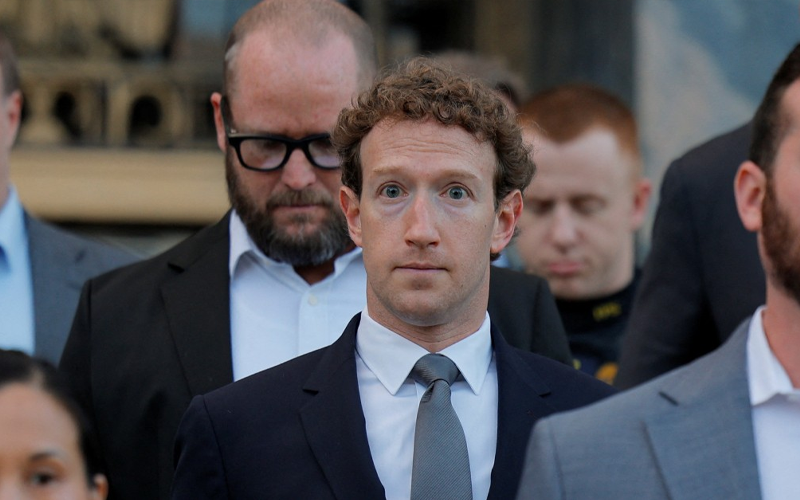
In a landmark trial concerning youth social media addiction, Meta Platforms CEO Mark Zuckerberg maintained that Facebook and Instagram do not permit users under the age of 13, despite evidence suggesting otherwise. The trial scrutinizes claims that Instagram and Google’s YouTube adversely affected the mental health of a California woman who used these platforms as a child, alleging that the companies sought to profit from young users despite awareness of potential harm.
Mark Lanier, the lawyer representing the plaintiff, challenged Zuckerberg by referencing his 2024 Congressional testimony, where he stated that users under 13 are not allowed on Meta’s platforms. Lanier confronted Zuckerberg with internal documents from Meta suggesting that younger users were a critical demographic. One presentation from 2018 indicated a strategy to engage tweens to eventually win over teen users.
Zuckerberg countered these claims, stating Lanier misinterpreted his comments. He explained that Meta has considered creating safe versions of its services for younger children, but has not implemented such initiatives. Meta faces potential damages in this Los Angeles jury trial, part of a wider litigation movement against social media companies in the U.S. over their impact on young users.
Other companies, such as Snap and TikTok, settled with the plaintiff before the trial commenced. The trial revealed internal discussions at Meta, including an email from Nick Clegg, Meta’s Vice President of Global Affairs, acknowledging the difficulty of enforcing age restrictions. Zuckerberg argued that verifying users’ ages is challenging for app developers and suggested that the responsibility should lie with mobile device manufacturers. He noted that teens on Instagram contribute to less than 1% of revenue.
The trial also addressed Zuckerberg’s 2021 Congressional testimony, where he claimed not to set goals for maximizing user time on Instagram. Lanier presented emails from 2014 and 2015 showing Zuckerberg aimed to increase user engagement. Zuckerberg clarified that while past goals focused on time spent, the company has since revised its approach to prioritize user experience. He described user engagement milestones as a “gut check” for management rather than explicit targets.
This trial marks Zuckerberg’s first court appearance concerning Instagram’s effects on youth mental health. Matthew Bergman, representing other parents in similar lawsuits, expressed hope that the litigation’s cost will spur industry changes.
The lawsuit is part of a broader backlash against Big Tech, with numerous claims filed in the U.S. by families, school districts, and states alleging that social media platforms contribute to a youth mental health crisis. A verdict against the companies could challenge the historical legal protections that shield internet companies from liability for content-related decisions, by focusing on platform design and operation.
Investigative reports have revealed that Meta was aware of potential mental health impacts, with internal research showing that some teens felt worse about their bodies due to Instagram. Head of Instagram, Adam Mosseri, recently testified that he was unaware of studies linking parental supervision to teens’ social media habits.
Meta’s defense argued that the plaintiff’s mental health issues originated from a troubled childhood, and social media provided a creative outlet. This U.S. litigation is part of a global examination of tech companies, with countries like Australia and Florida implementing age-related restrictions on social media use, sparking legal challenges from industry trade groups.