Sustainable tourism has become one of the most overused phrases in global travel marketing — invoked liberally, practised unevenly, and understood differently depending on geography. Yet beneath the buzzwords lies a genuine economic opportunity. Few comparisons illustrate this better than Sri Lanka’s eco-hotel landscape set against Thailand’s mature sustainable tourism offering, particularly in destinations like Phuket.
Both countries sell “green”. What they actually deliver — and to whom — is where the divergence lies.
Sri Lanka: Sustainability as Lived Experience
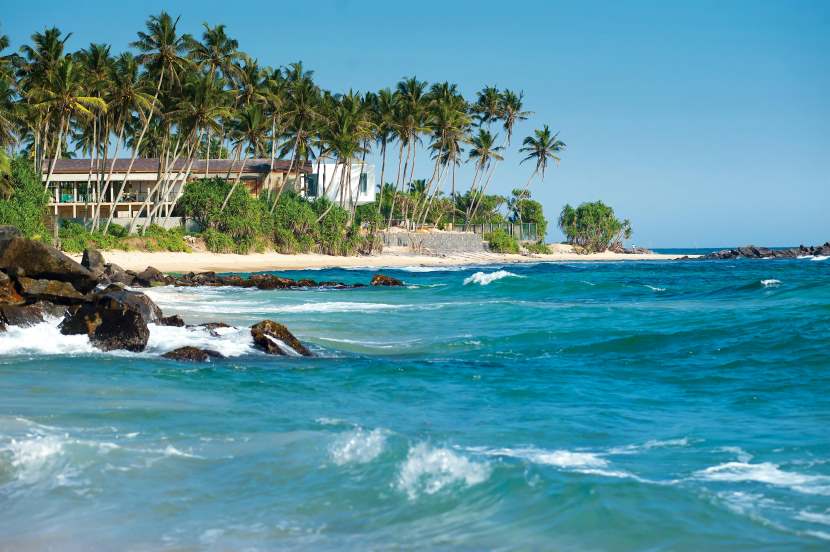
In Sri Lanka, eco-tourism has grown organically rather than by decree. Many sustainable properties are small, locally owned, and deeply embedded in their surroundings. Jungle lodges near rainforests, low-impact coastal retreats, and wildlife-adjacent stays are often built around community employment, local sourcing, and conservation practices that pre-date global certification schemes.
Here, sustainability is less a marketing layer and more a way of operating. Guests are invited into ecosystems rather than insulated from them — bird walks at dawn, turtle hatcheries at night, village kitchens instead of buffet lines. Architecture favours natural materials, open spaces, and minimal footprint. Luxury, where it exists, is understated.
The strength of this model is authenticity. Sri Lanka offers travellers something increasingly scarce: proximity — to nature, to culture, to lived reality. For a growing segment of global travellers, particularly repeat visitors and long-stay guests, this is precisely the appeal.
The limitation is scale. Many eco-properties operate below 30 rooms. Marketing reach is limited. International certification — often a prerequisite for high-value tour operators — is uneven. As a result, Sri Lanka’s eco- tourism brand remains compelling but under-amplified.
Phuket: Sustainability as Structured Luxury
Phuket represents a different evolution. Sustainability there is often layered onto a mature resort economy. Large and mid-scale properties, including international hotel brands, incorporate eco-credentials into established luxury offerings: solar supplementation, water recycling, plastic reduction, reef protection initiatives, and farm-to-table dining.
Crucially, these efforts are documented, audited, and certified. Labels such as EarthCheck or Green Globe are prominently displayed and integrated into global booking platforms. Sustainability becomes legible to international markets — measurable, comparable, and marketable.
The guest experience reflects this structure. Eco- excursions are curated. Comfort is prioritised. Wellness, spa culture, and high service ratios coexist with green narratives. The experience is polished, predictable, and priced accordingly.
The trade-off is depth. Critics argue — not without reason — that sustainability in such contexts can feel more like compliance than conviction. Yet from an economic standpoint, Phuket has succeeded in translating eco-tourism into scale, revenue, and global visibility.
Different Tourists, Different Returns
The contrast reveals a fundamental truth: Sri Lanka and Phuket are not competing for the same eco-tourist — at least not yet.
Sri Lanka attracts:
experience-driven travellers
nature enthusiasts
culture-seeking visitors
price-sensitive but value-conscious guests
Phuket attracts:
high-spending leisure travellers sustainability-aware luxury consumers brand-loyal international tourists certification-driven tour operators
Both markets are valid. Both generate revenue. The difference lies in how sustainability is positioned — as ethos versus as system.
The Opportunity Gap
For Sri Lanka, the opportunity is not to imitate Phuket wholesale. It is to translate authenticity into credibility. That means:
broader adoption of recognised certification without losing character
better storytelling and international marketing
clustering eco-experiences into identifiable destinations aligning conservation outcomes with measurable standards
For Thailand, particularly Phuket, the challenge is the reverse: avoiding sustainability fatigue — where green claims outpace meaningful impact — and ensuring that eco-tourism remains more than a checkbox in a luxury brochure.
A Strategic Crossroads
As climate consciousness becomes mainstream rather than niche, eco-tourism will no longer be optional. It will be expected. In that environment, Sri Lanka’s advantage lies in the fact that its eco-story is largely real. Phuket’s advantage lies in the fact that its eco-story is widely understood.
The winning model of the next decade may well sit between the two: authentic experiences supported by global standards, intimate encounters backed by institutional credibility.
Newsline Observation
Sri Lanka does not lack eco-tourism potential. It lacks amplification and structure. Phuket does not lack sustainability initiatives. It risks losing intimacy.
In tourism, as in economics, the future rarely belongs to extremes. It belongs to those who learn fastest from their contrasts — and act before the market decides for them.