
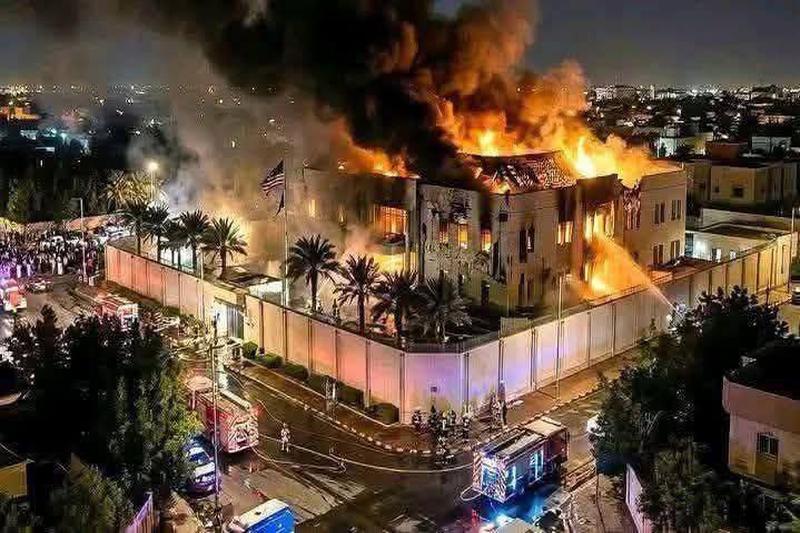
In a dramatic escalation of the wider Middle East conflict, the U.S. Embassy in Riyadh, Saudi Arabia’s capital, was struck early Tuesday by multiple suspected drone attacks, causing a fire and structural damage to parts of the diplomatic complex.
Saudi authorities described the blaze as “limited” and reported no injuries, as the building was largely unoccupied at the time of the strike.
The Saudi Ministry of Defence confirmed that at least two drones hit the embassy compound in the city’s highly secure Diplomatic Quarter, and that defensive forces intercepted other unmanned aerial vehicles in the vicinity. Witnesses reported loud explosions and plumes of black smoke rising over the neighbourhood, home to foreign missions and diplomatic personnel.
Be that as it may, the initial description of “minor material damage” contrasts with internal U.S. government alerts. suggesting more significant impact, including reports that parts of the embassy roof collapsed and the interior was contaminated with smoke — prompting staff to remain sheltered in place.
In response to the incident, the U.S. Embassy and State Department issued security advisories urging American citizens in Riyadh, Jeddah and Dhahran to “shelter in place” and steer clear of diplomatic facilities until further notice. The mission also warned of imminent missile and drone threats against other U.S. diplomatic sites in Saudi Arabia, including the consulate in Dhahran.
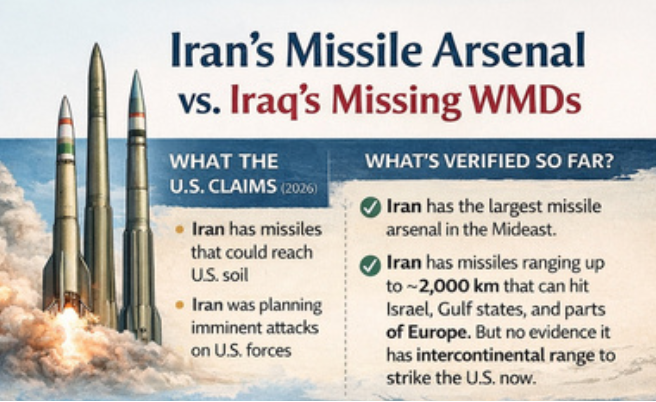
The strikes in Riyadh form part of a broader wave of attacks on U.S. and allied facilities across the Gulf region, which have intensified amid the expanding war between American and Israeli forces on one side and Iranian-aligned militias and Iranian military assets on the other. Following earlier U.S.–Israeli air operations in Iran, Tehran’s forces have ramped up retaliatory drone and missile salvos against Gulf states that host American installations.
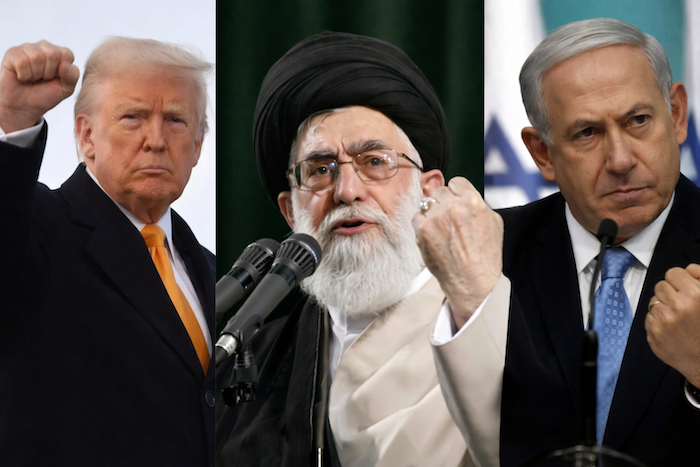
From Washington, reaction has been swift and firm. President Donald Trump indicated that the United States would not allow such attacks on its diplomatic missions to go unanswered, hinting at potential retaliatory measures without specifying timing or method.
In the meantime, Saudi Arabia — though not a combatant in this conflict — finds itself drawn deeper into the theatre by virtue of geography and longstanding security ties with the United States. The incident underscores the increasing spill-over of the Iran-U.S.– Israel confrontation into the Gulf proper, raising questions about diplomatic safety, regional stability and the future contours of this widening conflict.