
Asian markets experienced a significant downturn on Wednesday, driven by concerns that an escalating conflict in the Middle East could lead to an energy shock, subsequently increasing inflation and delaying potential rate cuts. Investors have been rapidly divesting from gold and chipmakers, contributing to the market turbulence.
In Seoul, shares plummeted by 4%, extending losses over two days to more than 11%. This decline was fueled by swift exits from fast-money investors and foreigners who had previously capitalized on the substantial AI-driven profits of memory chipmakers. The selloff also resulted in the South Korean won dropping to a 17-year low.
Japan’s Nikkei index fell by 2.5%, marking its third consecutive session of losses. Both Japan and South Korea are significant energy importers, making their markets particularly sensitive to fluctuations in energy prices.
Benchmark Brent crude oil futures have risen over 12% this week, reaching $81.40 per barrel. However, they have slightly retreated from the peak after U.S. President Donald Trump announced an insurance guarantee for Gulf shipping and indicated that the U.S. Navy might escort oil tankers through the Strait of Hormuz if necessary.
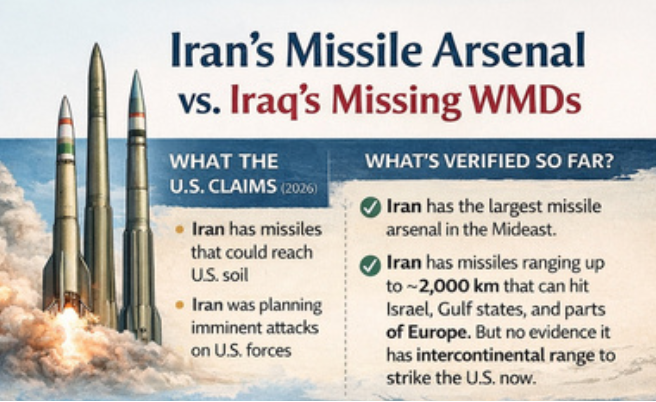
The intensifying conflict sees U.S. and Israeli forces bombarding Iran for four consecutive days, while Iranian drones and missiles have targeted Gulf oil refineries and U.S. embassies in Saudi Arabia and Kuwait.
“It does look like the conflict is going to last longer than initially expected, with escalation broadening the war to include U.S. allies,” commented Damien Boey, portfolio strategist at Wilson Asset Management in Sydney. “With oil infrastructure under attack, people are re-evaluating the potential duration of these disruptions.”
Gold prices fell by approximately 4.5% overnight, and the Australian dollar declined by 0.8% as traders withdrew from profitable positions to cover losses elsewhere amid a volatile trading week. Early in the Asian session, gold steadied at $5,128 an ounce, while U.S. and European futures showed signs of stabilization, with S&P 500 futures remaining flat and European futures increasing by 0.8%.
On Wall Street, while indexes trimmed more substantial losses, the S&P 500 closed 0.8% lower due to concerns over the potential for prolonged elevated oil prices.
“The primary issue that investors are trying to assess is the interplay between inflation and interest rates,” stated Chuck Carlson, CEO at Horizon Investment Services in Hammond, Indiana. “Are energy prices going to remain elevated longer than anticipated, and how will that impact inflation?”
The euro has fallen below $1.16 as investors predict that Europe will be significantly affected by rising energy costs, with benchmark European gas prices surging about 65% over two days.