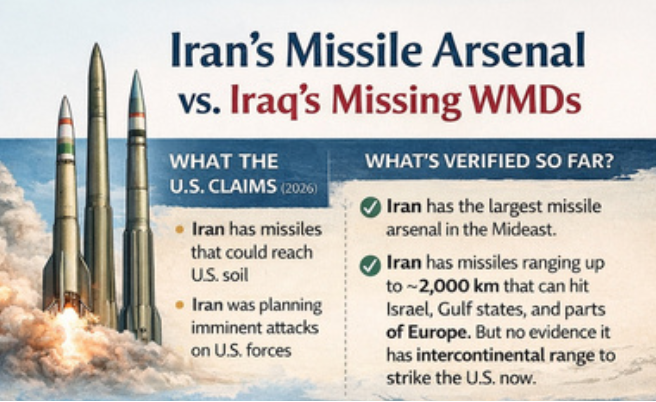


Reuters – The ongoing conflict in Iran and the subsequent increase in energy prices are expected to have significant effects on emerging markets, extending beyond inflation to affect external balances, currencies, and capital flows, according to analysts.
Brokerages such as J.P. Morgan and Bernstein predict that Brent crude prices may surpass $100 per barrel if the conflict endures, as Tehran has threatened to block the Strait of Hormuz and has stated it would target any vessel attempting to navigate this vital shipping route for oil and gas.
As of 12:54 GMT, Brent crude futures had risen by $5.63, or 7.2%, reaching $83.36 per barrel, after hitting a peak of $85.12, the highest since July 2024.
“A mere 10% rise in oil prices can deteriorate current account balances for emerging markets by 40-60 basis points. Prolonged increases would only deepen these deficits,” analysts at ING noted. They identified Thailand, South Korea, Vietnam, Taiwan, and the Philippines as the most vulnerable.
The conflict has intensified, with the U.S. and Israel expanding their airstrikes against Iran, leading to Israeli attacks on Lebanon and Iranian strikes on energy infrastructure in Gulf countries and tankers in the Strait of Hormuz.
Global financial markets have been unsettled by the conflict, with both emerging market equities and currency indexes falling to three-week lows as investors sought refuge in the U.S. dollar.
Higher crude prices present a limited risk to China unless the situation escalates or persists significantly. However, India, with its limited oil reserves, could be among the most affected by a prolonged supply disruption, analysts caution.
According to Goldman Sachs, a supply-driven jump in Brent crude from $70 to $85 could add approximately 0.7 percentage points to inflation across emerging Asia, reduce economic growth by about 0.5 points, and widen current account deficits in almost every economy in the region, especially in Thailand, Singapore, and South Korea.
Citigroup has warned that a prolonged oil shock could severely destabilize inflation expectations across emerging markets, with countries possessing low reserves, such as Argentina, Sri Lanka, Pakistan, and Turkey, facing increased risks of capital outflows and currency devaluation.
Separately, J.P. Morgan’s analysts have adjusted the EMEA emerging market foreign exchange to “market weight” and added Poland’s zloty to their list of “underweight” currencies.