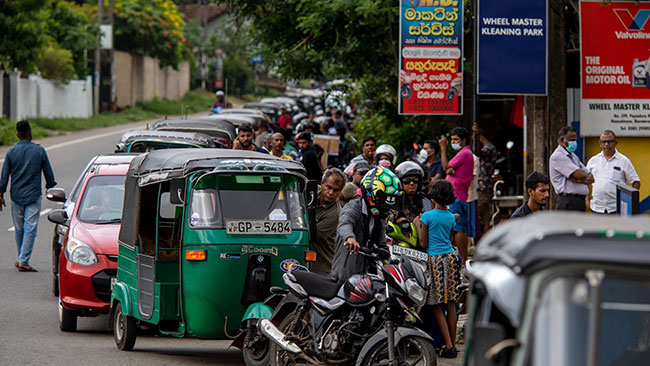
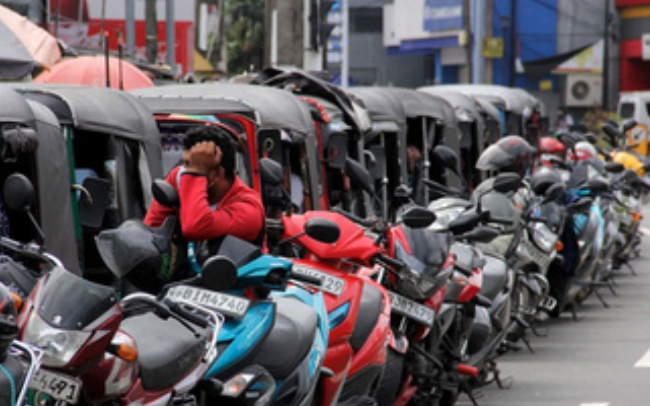
The queues are not long. But they are visible.
Across parts of Colombo and the suburbs, motorists lined up this week amid rising Middle East tensions and climbing global oil prices. Officials insist there is no shortage. The Ceylon Petroleum Corporation says stocks are sufficient. Shipments are scheduled.
Yet Sri Lanka reacts to fuel anxiety differently from most countries.
We remember.
In 2022, queues became collapse. Shortage became symbolism.
Governments fell because fuel stopped flowing. This time, the fundamentals are not the same. Reserves are steadier.
IMF discipline is in place. Pricing formulas exist.
But oil markets do not move on comfort. They move on risk.
Nearly 20% of global oil passes through the Strait of Hormuz. When conflict escalates, insurance rises. Freight rises. Brent rises. Sri Lanka pays.
Even without a physical disruption, a few dollars per barrel adds millions to the import bill.Authorities have banned filling into cans. Daily stock updates are issued. It is governance by reassurance.
The public is not panicking. But it is not relaxed either. Fuel is not just energy in Sri Lanka. It is political memory. The tanks may be full. Confidence is what must not run dry.
NO QR — BUT THE CLOCK IS TICKING
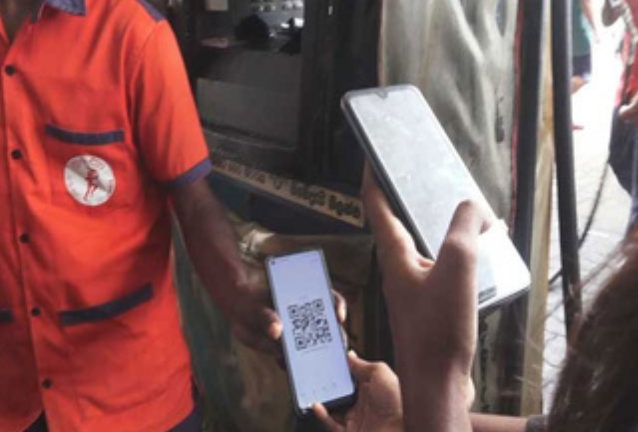
The QR fuel system will not return. At least not yet. Cabinet spokesman Nalinda Jayatissa says there is no immediate need for rationing. Supplies are steady. Distribution continues.
That statement is as much psychological as operational. Reintroducing QR would signal crisis management. It would revive the optics of 2022. It would tell the public: prepare for constraint.
For now, the government is betting that transparency and visible supply will suffice.
But oil prices have risen sharply in recent weeks. If Brent continues climbing, pressure builds quietly — on reserves, on the rupee, on inflation.
Sri Lanka imports its vulnerability.
If prices spike further, choices narrow: pass costs to consumers, absorb losses, or borrow more.
None are politically comfortable. The QR system is dormant. But its shadow remains.
The difference between precaution and panic is timing. And timing, in energy markets, is rarely generous.
OPPOSITION SEIZES THE MOMENT
In Colombo, crisis is always political. The opposition has convened emergency discussions on the Middle East fallout — framing it as responsible vigilance.
They are not wrong to ask questions. How exposed are we to oil volatility? What contingency planning exists? Are remittance corridors secure?
But there is calculation here too. Fuel queues, airline disruptions and economic anxiety are potent images. Governments in Sri Lanka have fallen on less.
The administration must now walk a narrow line: calm without complacency. The opposition must do the same: scrutiny without alarmism.
This is not 2022. But neither is it business as usual. Markets are watching. So are voters.
A NATION WATCHFUL, NOT PANICKED
ri Lanka’s public mood is sober. There is no mass hysteria. No supermarket runs. No shouting crowds. But there is attention.
Citizens track oil prices. They monitor petrol stations. They watch global headlines with practiced caution. We have lived through default. We have lived through scarcity.
External shocks are no longer theoretical. The public question is not “Is there war?” It is “What does this mean for us?”
That is a mature anxiety.
It demands mature governance.