Loyalty or livelihood? Iran stood by us – but America buys our future!
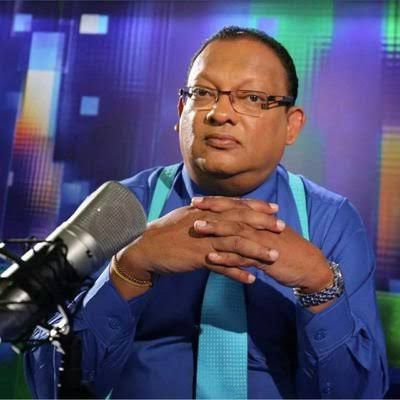
COLOMBO Should Sri Lanka be more aligned with Iran out of gratitude? The question has begun to surface with increasing frequency, sharpened by voices such as Dr Dayan Jayatilleka, who has argued that Tehran stood by Colombo during its long and difficult war against terrorism. It is an argument that carries emotional weight and historical resonance. But be that as it may, geopolitics is rarely governed by sentiment alone.
There is no denying that Iran maintained engagement with Sri Lanka at critical moments when others were more distant or cautious. That engagement, whether diplomatic or economic, contributed to a sense of continuity and trust. Even today, the relationship has substance.
Iran remains a significant buyer of Sri Lankan tea, and innovative arrangements such as tea-for-oil settlements reflect a partnership that has adapted under pressure. There is history in this relationship, and there is goodwill.
However, goodwill does not exist in isolation. It must be measured against present realities. The United States is Sri Lanka’s largest export market, accounting for a substantial share of the country’s foreign exchange earnings. In sectors such as apparel, the dependence is deep and immediate. Jobs, factory output, and economic stability are directly tied to continued access to American markets. This is not a matter of preference; it is a matter of structure.
The danger in the current debate lies in framing the issue as a choice between Iran and the United States. That is a false binary.
Sri Lanka does not have the luxury of aligning exclusively with one at the expense of the other. The consequences are not symmetrical.
While a deterioration in ties with Iran would carry economic and diplomatic costs, any disruption in access to US markets would strike at the core of Sri Lanka’s economic recovery.
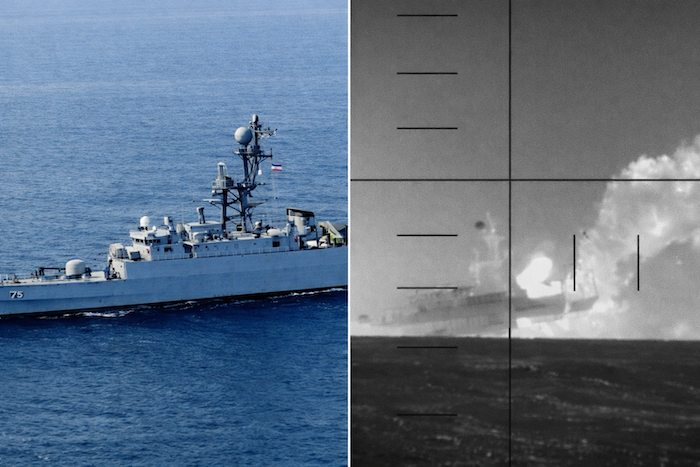
What is required, therefore, is not alignment but balance. Recent decisions by Colombo, including the refusal to grant access to both US military aircraft and Iranian naval vessels, suggest a deliberate attempt to maintain that balance. This is not indecision. It is a calculated posture designed to preserve neutrality in an increasingly polarised environment.
Gratitude has a place in international relations, but it cannot be the sole determinant of policy. Nations must remember their history, but they must also respond to present realities and future risks. For Sri Lanka, the challenge is to sustain relationships across competing power centres without being drawn into their conflicts.
In the end, the objective is not to choose sides, but to navigate between them. That is the essence of small-state diplomacy in a world where larger powers set the terms of engagement. Sri Lanka’s task is to ensure that in balancing gratitude with economic necessity, it does not compromise either its sovereignty or its survival.