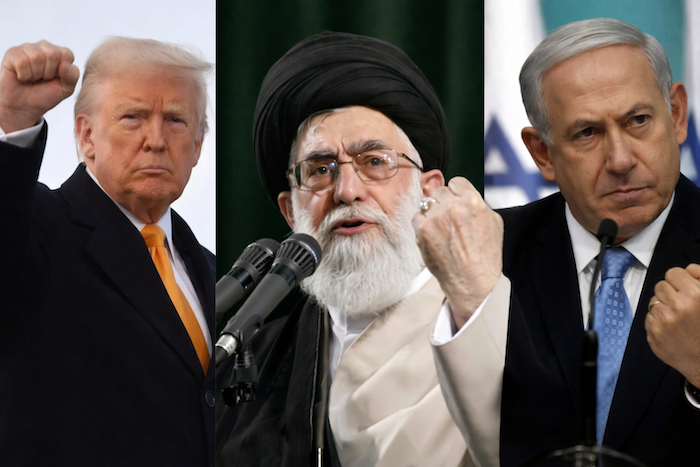
A full-blown military confrontation has erupted involving the United States and Israel against Iran, significantly widening beyond initial airstrikes. The crisis has quickly spread into multiple countries and fronts, heightening diplomatic and security tensions.
Iran
• Joint U.S.–Israeli strikes on Iran since February 28 have hit military and strategic sites across at least 131 cities.
• According to the Iranian Red Crescent, at least 555 people have been killed in these strikes — a mix of combatants and civilians — with hundreds more reportedly wounded.
• The conflict was triggered in part by a high-level strike that reportedly killed Iran’s Supreme Leader and top officials, prompting fierce retaliation from Tehran.
Israel
• Iran and allied militias have launched missile and drone attacks toward Israel. There are reports of at least 10 civilian deaths in Israel so far from these strikes, with dozens more injured as missiles hit towns and cities.
• Hezbollah — the Iran-aligned group based in Lebanon — has also fired rockets at Israel, prompting strong Israeli responses.
Lebanon
• Israeli airstrikes on Lebanese territory — particularly southern Beirut and the Bekaa Valley — have resulted in around 31 deaths and at least 149 injuries, according to Lebanon’s health ministry.
• Civilians are fleeing conflict zones as tensions risk drawing in communities previously under a fragile ceasefire.
Gulf States
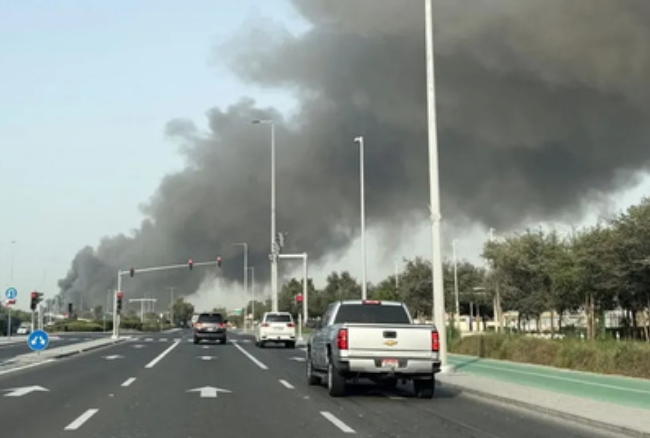
• Iran’s retaliatory strikes have reached Gulf states including the UAE, Kuwait and Bahrain with missiles and drones targeting U.S. bases and key infrastructure.
• Reports include strikes near commercial and civilian infrastructure, contributing to anxiety in major cities like Dubai and Abu Dhabi and temporary halts in some operations at key energy facilities such as Saudi Arabia’s
Ras Tanura refinery.
• Casualties in some Gulf countries, including civilian deaths, have been reported, though precise aggregated figures remain fluid amid ongoing operations.
Saudi Arabia
• Saudi Arabia summoned Iran’s envoy over attacks on its territory and facilities, condemning violations of sovereignty and underlining risks of broader regional conflict.
Other Impacts
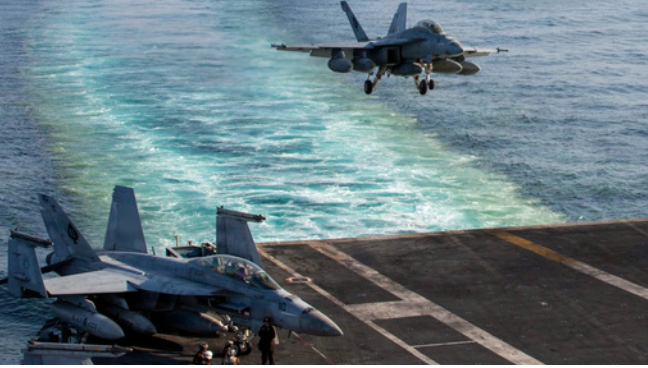
• U.S. military involvement has already led to at least three American soldiers killedand several wounded in Gulf states like Kuwait, according to U.S. command reports, while aircraft have been lost in combat-related incidents.
• Major airbases including in Cyprus have been targeted by unmanned aircraft, triggering defensive actions and wider alerts.
Summary of Known Casualties
• Iran: ~555 killed (reported by Iranian Red Crescent). • Israel: ~10+ civilians reported killed; dozens injured. • Lebanon: ~31 killed, 149+ wounded.
• U.S. Forces: ~3 service members killed in Gulf.
• Gulf Civilians: multiple reported killed in UAE, Kuwait, Bahrain.
(Note: Figures are evolving rapidly and may be revised as further verification becomes available.)
Regional Dynamics
This conflict has quickly outgrown an Iran-Israel axis:
• Iran’s missiles and drones have been used against U.S. bases and Gulf countries.
• Hezbollah’s attacks from Lebanon have drawn immediate Israeli responses.
• Gulf states are increasing defensive postures and diplomatic pressure.
• Global energy markets and shipping routes are directly impacted.
In Brief
What began as targeted strikes has become a regional military escalation, with civilian casualties, strategic infrastructure strikes, cross-border missile exchanges, and the potential to widen into broader regional involvement. The UN and global actors have urged restraint, but front- line fighting continues across multiple theaters.
Who Is Supporting the United States?
Gulf States & Regional Allies (explicit support):
• Bahrain, Jordan, Kuwait, Qatar, Saudi Arabia and the UAE joined the United States in a joint statement condemning Iran’s missile and drone attacks, placing blame on Tehran’s actions and expressing solidarity with regional partners targeted by Iran’s escalation.
Some Western and allied governments:
• Canada, Australia and Ukraine have expressed some level of political support for the U.S. and Israel’s actions, framing the strikes within broader security concerns about Iran’s military behaviour and nuclear ambitions. Ukrainian support:
• Ukraine’s president openly backed the strikes as decisive, framing them in a context of weakening authoritarian regimes and enhancing regional stability.
These countries align generally with U.S. policy on countering Iran’s regional missile capability and potential nuclear development.
Who Has Condemned the U.S. and Israel? Russia
• Moscow sharply condemned the U.S.–Israel offensive against Iran as an “unprovoked act of armed aggression” and warned the attacks risk humanitarian and destabilising fallout.
China
• Beijing criticised the U.S. strikes as “brazen aggression”, urging immediate dialogue and negotiation instead of military escalation.
Several European and global voices have also been critical or cautious:
• Individual leaders like those of Norway and Finland have rebuked the legality of the attacks on Iran. Irish leadership and other EU states have expressed deep concern about escalation and called for restraint among all parties.
This reflects a broader divide between Western security partners and states advocating diplomatic restraint and a return to negotiation.
European Union’s Position — Supportive but Cautious
The European Union (27 nations) has urged “maximum restraint” and respect for international law while condemning Iranian strikes — but it has been careful to not fully endorse the U.S.–Israeli offensive. EU statements highlight protection of civilians, international humanitarian norms, and concern over regional stability.
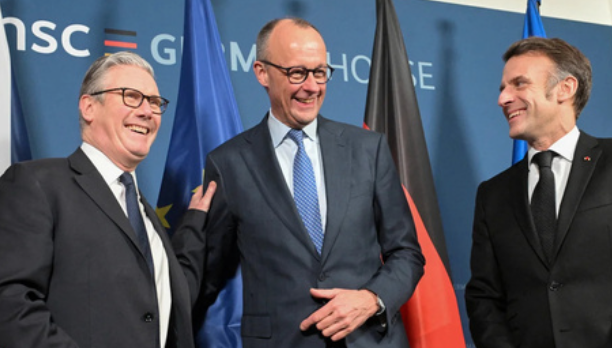
Leaders in France, Germany and the UK have jointly condemned Iran’s actions and called for diplomatic solutions, while also emphasising they were not involved in the initial U.S.–Israel attacks.
This balancing act shows political sympathy for allied security concerns but significant discomfort with unilateral military escalation.
Why Britain Has Permitted U.S. Use of Bases
Unlike outright participation in the military strikes, the UK under Prime Minister Keir Starmer has taken a nuanced stance:
• The UK has affirmed it did not take part in the original U.S.–Israeli airstrikes on Iran.
• Britain has allowed U.S. forces to use British military bases (including Diego Garcia and others) specifically for defensive operations against Iranian missiles and drones, citing the need to protect British lives, citizens, and regional allies.
• British forces are also involved in regional defensive operations, intercepting incoming threats.
• The government stresses this is collective self-defence under international law given repeated Iranian attacks targeting UK interests and personnel, while also insisting on diplomacy and urging Iran to cease hostilities.
This position reflects a desire to support allied security cooperation without being drawn into offensive action from the outset — a legal and political line that avoids allegations of a full-scale war commitment like Iraq.
Broader Global Stances
Arab League:
• Many member states condemned Iran’s attacks as violations of sovereignty and appealed for calm. Lebanon:
• Leaders have stressed they do not want to be dragged into the conflict, seeking a path that protects their own security and unity.
Other states also emphasise restraint, legal norms and concern about wider war — indicating a fracturing of global views rather than unified backing for military escalation.